A4. Texture Standards for Chewing & Swallowing
The International Dysphagia Diet Standardisation Initiative (IDDSI) describes a continuum of eight levels (0–7): drinks use levels 0–4 and foods levels 3–7. [5] Level 5 allows soft lumps up to 4 mm that mash with light fork pressure; Level 6 allows tender pieces up to 1.5 cm. [6]
| IDDSI level | Name | Kitchen description | Examples in this book |
|---|---|---|---|
| 0 | Thin | Unthickened liquids | Water, manda, CCF tea, neer mor |
| 1–2 | Slightly / mildly thick | Flows through a spoon | Peya, laja peya, thin kanji |
| 3 | Moderately thick (liquidised) | Can be drunk from a cup or eaten with a spoon | Yavagu, smooth soups |
| 4 | Pureed | Smooth, no lumps, holds shape on a spoon | Moong–rice purée, pumpkin–carrot purée |
| 5 | Minced & moist | Lumps ≤ 4 mm; mashes with light fork pressure | Minced khichdi, paneer–moong mash |
| 6 | Soft & bite-sized | Pieces ≤ 1.5 cm; needs minimal chewing | Soft vegetable stew, idli soaked in sambar |
| 7 | Regular | Normal food (for older guests: regular-soft) | The rest of this book |
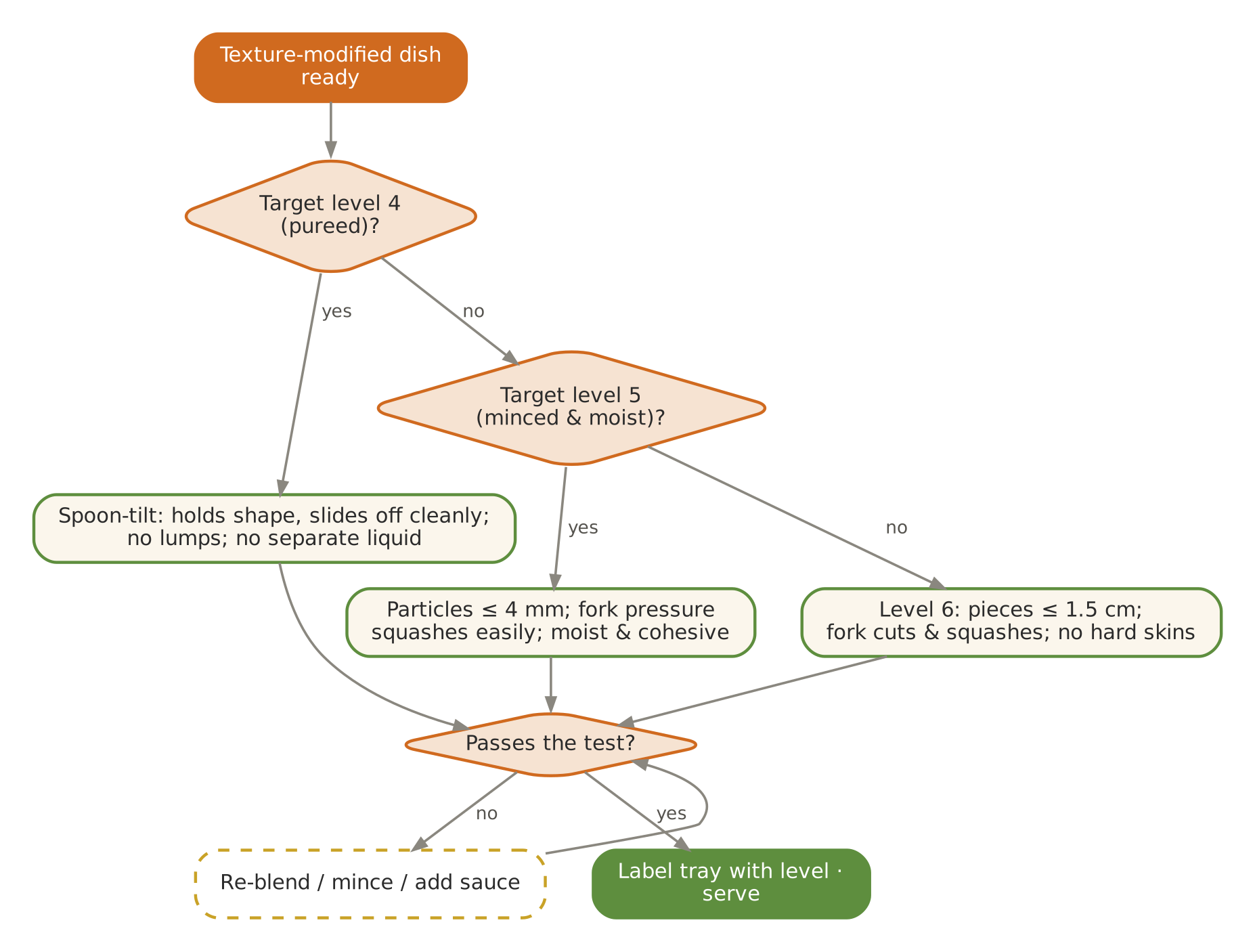 Figure A3. Kitchen texture check before serving | Who decides the level?
|