A1. Nutrient Needs of Indians Over 60
India's Institute of Nutrition (ICMR-NIN) reference values, summarised in a 2022 status paper in the Indian Journal of Medical Research, set specific figures for people aged 60 and over. Energy needs fall, but calcium and vitamin D needs rise above those of younger adults. [1]
| Nutrient | Men 60+ | Women 60+ | What it means for the kitchen |
|---|---|---|---|
| Energy (EAR) | ≈ 1,700 kcal/day | ≈ 1,500 kcal/day | Smaller portions, more nutrient-dense food |
| Protein (RDA) | 54 g/day | 45.7 g/day | International guidance suggests 1.0–1.2 g/kg for healthy older adults (≈ 55–70 g) |
| Calcium (RDA) | 1,200 mg | 1,200 mg | Higher than the adult 1,000 mg — milk, curd, paneer, ragi, sesame daily |
| Vitamin D (RDA) | 800 IU | 800 IU | Diet alone rarely suffices — morning sun; supplements on medical advice |
| Vitamin B12 (RDA) | 2.2 µg | 2.2 µg | Dairy is the vegetarian source; absorption declines with age |
| Dietary fibre (RDA) | 32 g | 25 g | Whole grains, millets, pulses, vegetables, stewed fruit |
| Fluids | ≈ 30 ml/kg (min. 1.5 L) | ≈ 30 ml/kg (min. 1.5 L) | Thirst falls with age — offer drinks hourly |
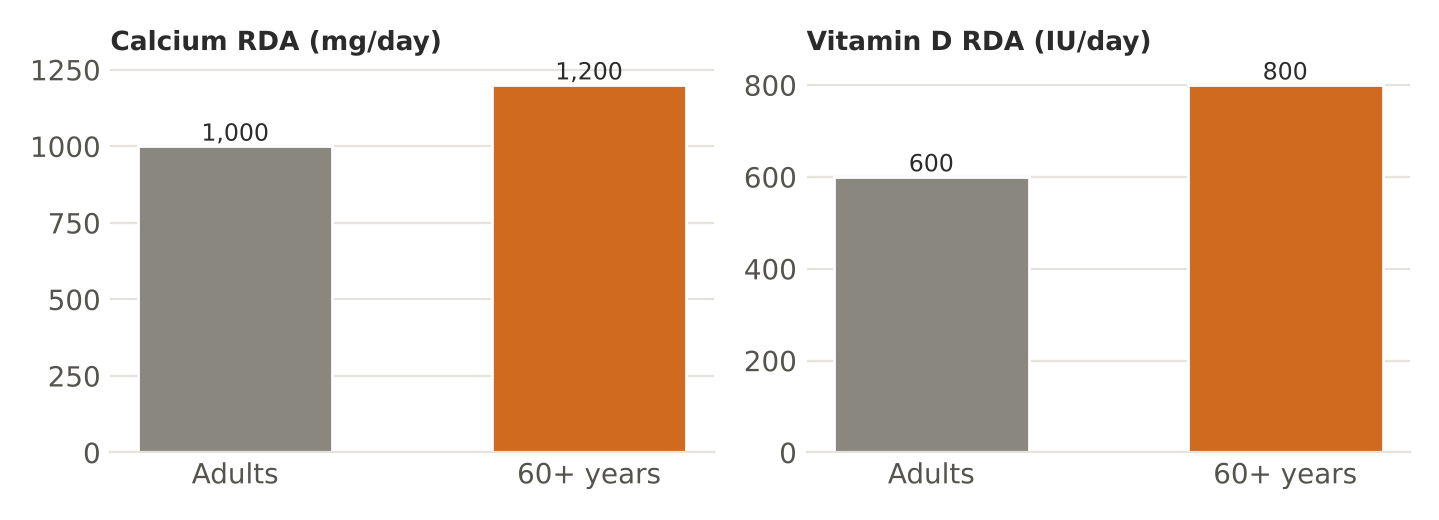
Figure A1. Calcium and vitamin D recommendations rise after 60 (ICMR-NIN values as reported in [1])
A working draft of dietary guidelines for Indian elderly (reviewed April 2024) adds practical advice: cook food soft, prefer boiling and steaming to frying, keep food less salty and less spicy, avoid dry meals that are hard to swallow, eat small portions several times a day, and take about 200–300 ml of milk and around 400 g of vegetables and fruit daily. It lists khichdi, upma, poha, idli, dhokla, dal, paneer, curd and soups as good choices for those with chewing difficulty — exactly the backbone of this kitchen. [2]