5. Kitchen Standards
Measures and conversions
| Measure | Metric | Kitchen note |
|---|---|---|
| 1 cup (standard) | 240 ml | 1 katori ≈ 150 – 180 ml |
| 1 tablespoon (tbsp) | 15 ml | ≈ 3 tsp |
| 1 teaspoon (tsp) | 5 ml | — |
| 1 pinch | ≈ 0.2 – 0.3 g | Between thumb and forefinger |
| 1 inch ginger | ≈ 8 – 10 g | — |
| 1 medium carrot | ≈ 100 g | — |
| 1 medium tomato | ≈ 100 g | — |
| 1 medium potato | ≈ 150 g | — |
| 1 bunch spinach (cleaned) | ≈ 200 – 250 g | — |
| Ingredient (1 cup) | Weight | Ingredient (1 cup) | Weight |
|---|---|---|---|
| Rice (basmati, raw) | 190 – 200 g | Moong / masoor dal | 190 – 200 g |
| Atta (wheat flour) | 120 g | Besan | 90 – 100 g |
| Suji (semolina) | 160 – 170 g | Dalia (broken wheat) | 160 g |
| Rolled oats | 90 g | Poha (thick) | 100 g |
| Ragi flour | 120 – 130 g | Rice flour | 120 g |
| Jaggery (grated, packed) | 200 g | Mishri / sugar | 200 g |
| Fresh grated coconut | 80 – 90 g | Sesame seeds | 120 g |
| Milk / water | 240 g | Ghee (melted) | 220 g |
Water-to-grain ratios (by volume)
| Dish | Regular | House standard (55+) | Very soft / recovery |
|---|---|---|---|
| Soft white rice | 1 : 2.5 (pressure 3 whistles) | 1 : 4 | 1 : 5 (very soft) |
| Moong-dal khichdi | 1 : 3 | 1 : 4 (house) | 1 : 5 – 6 (porridge) |
| Kanji (rice gruel) | — | 1 : 10 | 1 : 12 – 14 |
| Dalia khichdi | 1 : 3 | 1 : 4 | 1 : 5 |
| Upma (suji) | 1 : 2 (by volume) | 1 : 2.5 | 1 : 3 (soft-set) |
| Dal (split) | 1 : 3 | 1 : 4 | 1 : 5 – 6 (yusha) |
| Samak rice | 1 : 3 | 1 : 4 | 1 : 5 |
Texture levels
| Level | What it looks like | For whom |
|---|---|---|
| Level 1 · Regular-soft | Normal house food, cooked until tender; no hard, crisp or chewy items | Most guests |
| Level 2 · Soft & bite-sized | Pieces ≤ 1.5 cm, mash with a fork; soft phulka torn small; no whole nuts | Partial dentures, weak grip, fatigue |
| Level 3 · Minced & moist | Pieces ≤ 4 mm in thick sauce/dal; khichdi porridge; no separate thin liquid | Chewing difficulty, mild swallowing problems (on clinician advice) |
| Level 4 · Pureed | Smooth, lump-free, holds shape on a spoon (soups thickened, dal blended) | Swallowing difficulty — only with a speech/swallow assessment |
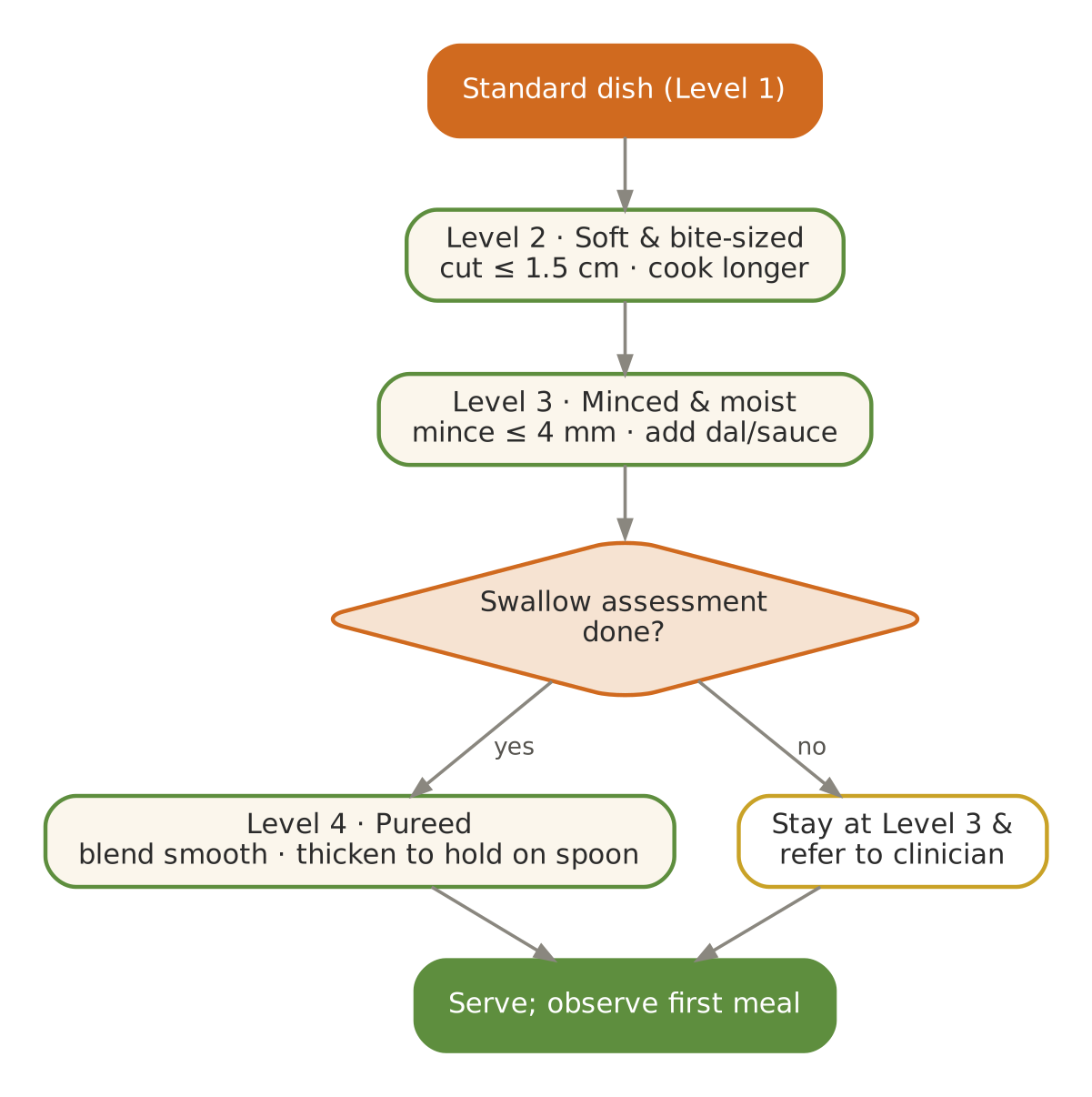 Figure 8. Modifying a dish down the texture levels | The sattvic code of this kitchen
|
Therapeutic adaptations
| Condition | Favour | Limit / watch |
|---|---|---|
| Diabetes / prediabetes | Moong, whole grains (dalia, oats, jowar, samak); vegetables first, then dal, then grain | Sweets ≤ 2 tbsp with meals; dates instead of mishri; no fruit juices; jamun, guava, amla welcome |
| High blood pressure | Salt ≤ ¾ tsp per 4 servings (house default); lemon, herbs, cumin for flavour | No papad, pickles, namkeen, black salt in excess; potassium-rich vegetables (unless kidney disease) |
| Chronic kidney disease | Doctor/dietitian prescription governs protein, potassium and fluid | Leach potatoes/greens (soak, boil, discard water); avoid sattu, coconut water, star fruit |
| Weak digestion / low appetite | Small warm meals; khichdi, kanji, yusha; ginger–rock salt slice before lunch | Calorie-dense additions: ghee, almond paste in milk, paneer |
| Constipation | Fluids, warm water on waking, ghee, stewed fruit, dalia, bathua, bhindi, papaya | Avoid excess bael, raw banana and dry foods |
| Acidity / reflux | Cooling Pitta foods: lauki, ash gourd, coconut, milk, rice; dinner 3 h before bed | Avoid sour, chilli, fried food; no lying down after meals |
| Osteoporosis / joint pain | Calcium: milk, curd, ragi, sesame, paneer; turmeric & ginger in cooking | Morning sunlight; protein at each meal |
| Anaemia | Moong, masoor, leafy greens with lemon/amla (vitamin C) | Tea/coffee at least 1 h away from meals |
New-guest matching and food safety
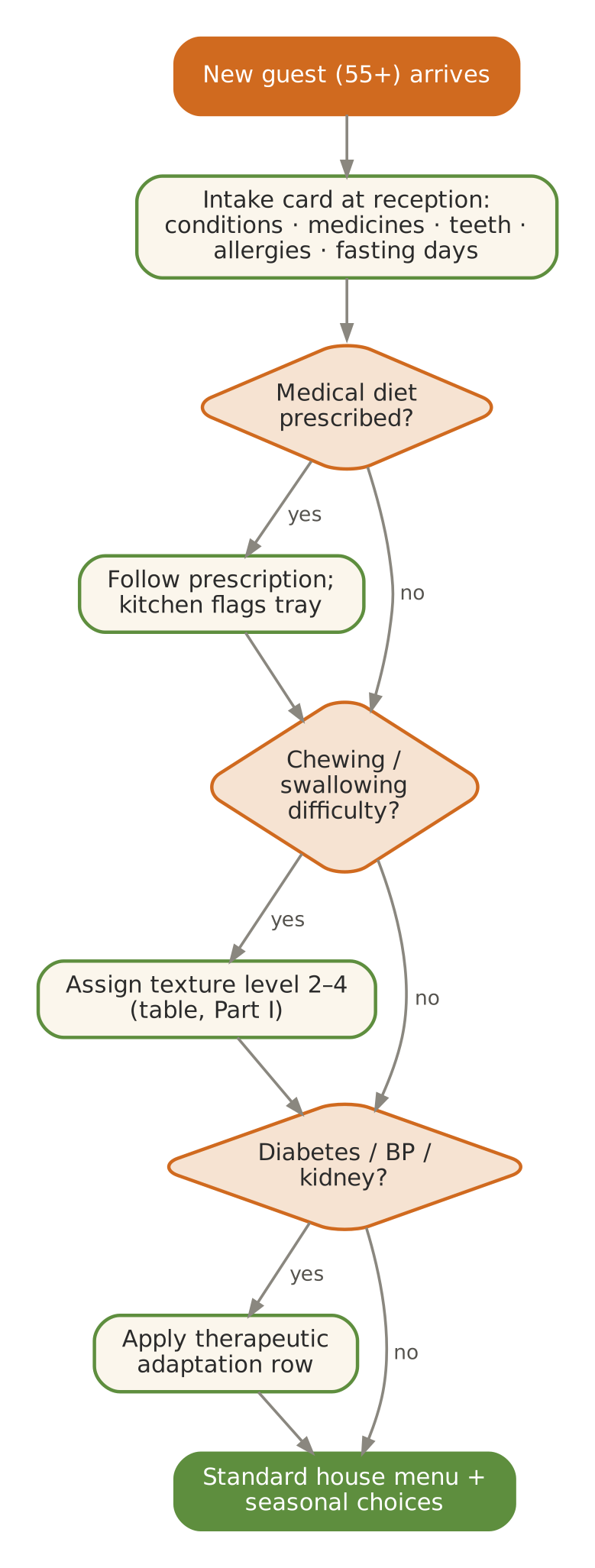 Figure 9. Matching a new guest to the right menu track | 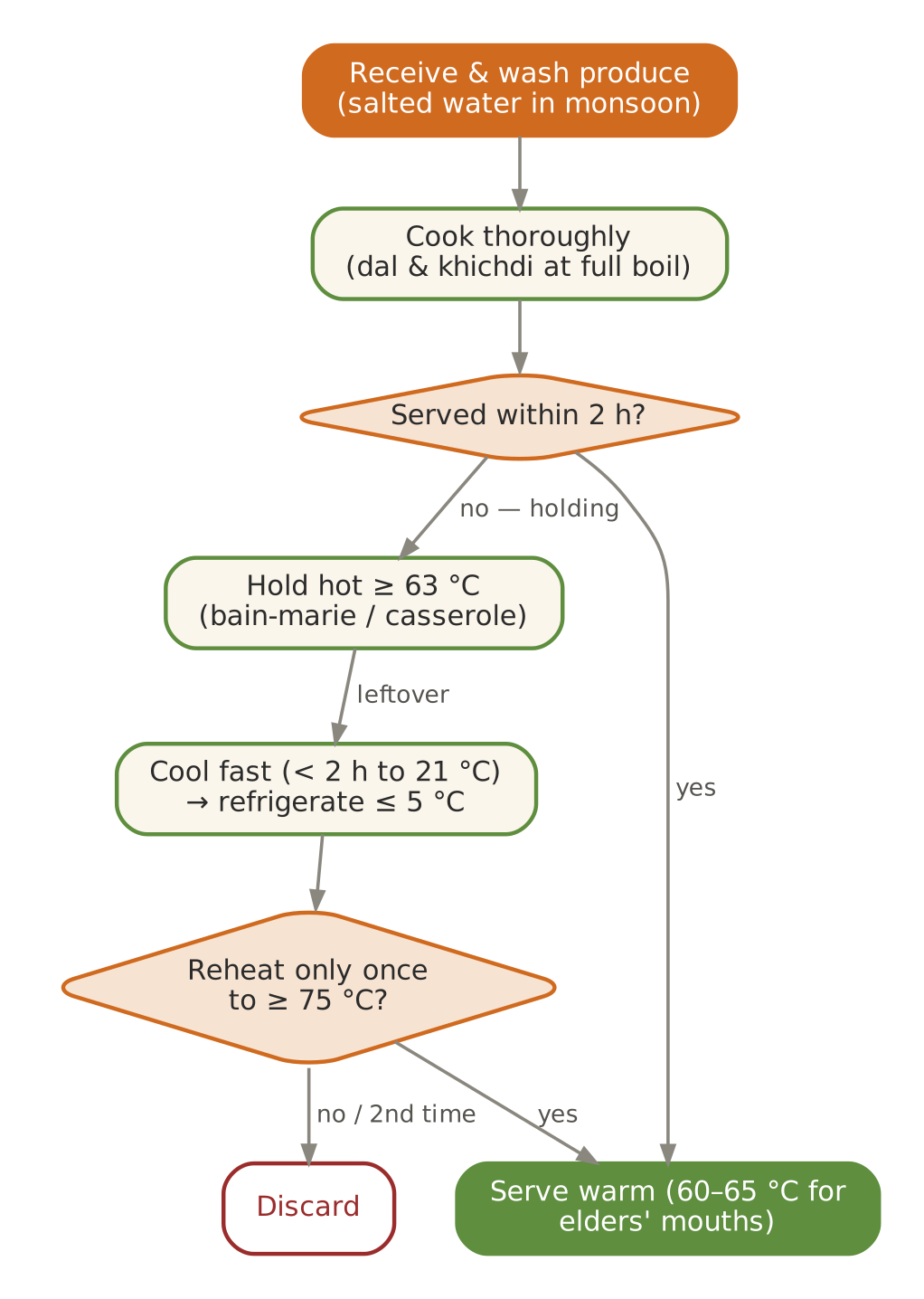 Figure 10. Cook–hold–serve: stricter for older guests |
A day and a week in the kitchen
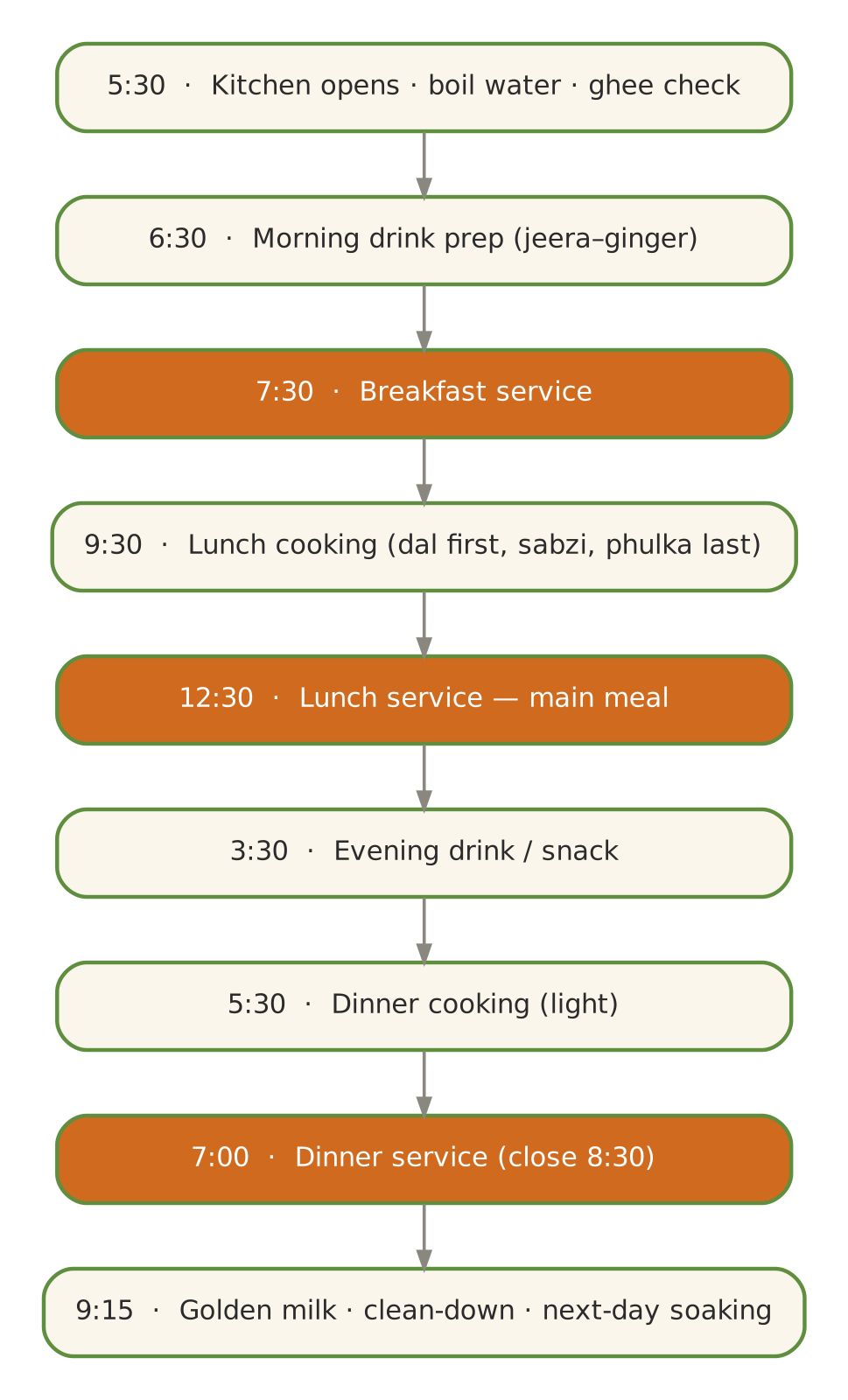 Figure 11. Daily service flow (orange = service) | 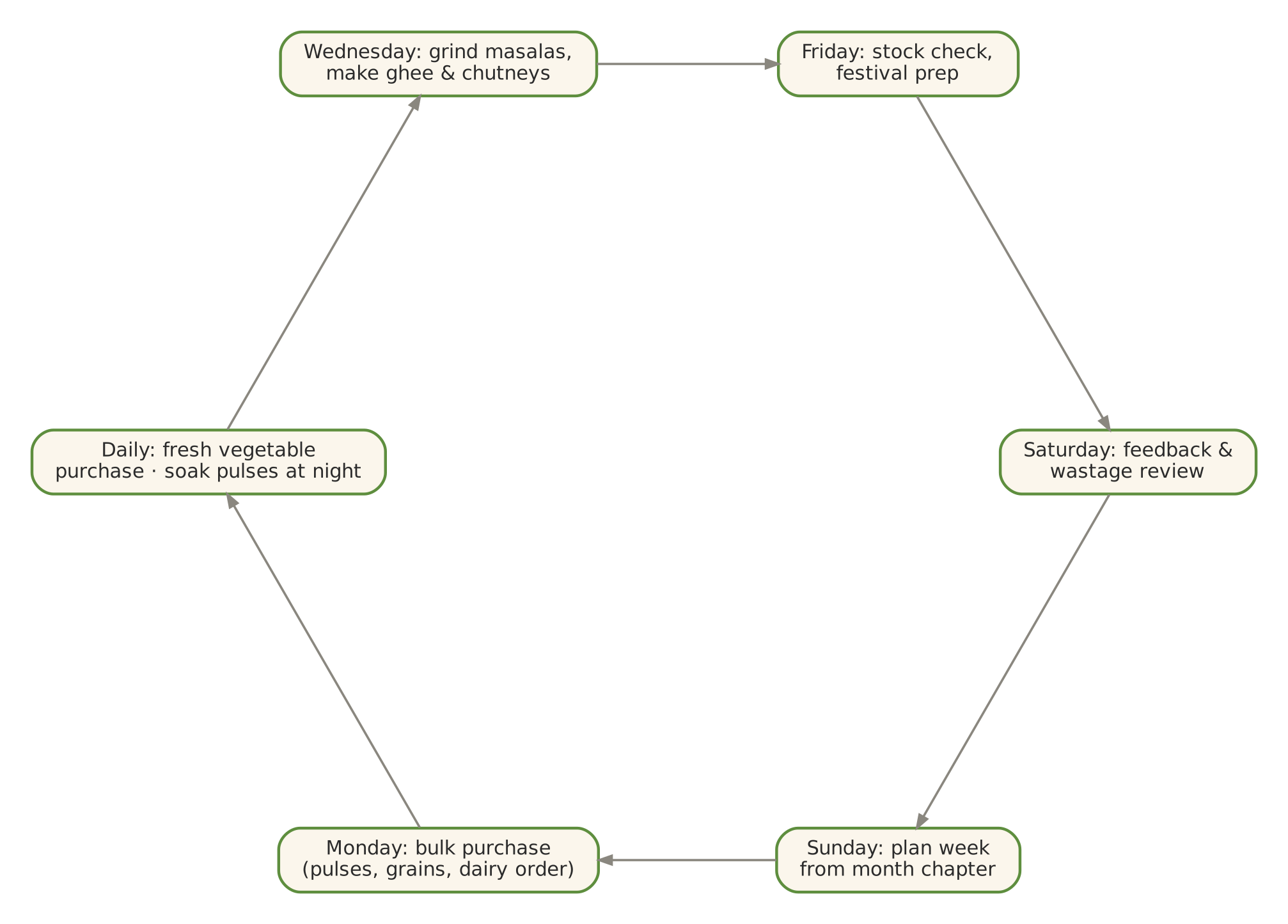 Figure 12. Weekly procurement & prep cycle |