2. Cooking for the 55+ Guest
What changes after 55
-
Muscle loss (sarcopenia) accelerates — protein needs rise even as appetite falls. Spread protein across all three meals.
-
Digestive secretions and chewing efficiency decline; dentures are common. Soft, moist textures and smaller, more frequent meals help.
-
Thirst sensation weakens; dehydration is a frequent, silent problem in Haridwar's summer and in winter when people simply drink less.
-
Bone density falls, especially in women — calcium, vitamin D (sunlight) and protein together protect bones.
-
Blood pressure, blood sugar and cholesterol are common concerns — salt, sugar and fat are portioned deliberately.
-
Constipation is common — warm water, fibre, ghee and stewed fruit address it; the Vata diet is naturally suited.
Daily planning targets
| Nutrient | Indicative daily target | How the menu delivers it |
|---|---|---|
| Energy | 1,600 – 2,000 kcal | Lower end for sedentary women; adjust for activity and weight trend |
| Protein | ≈ 1.0 – 1.2 g per kg body weight (≈ 55 – 70 g) | Higher than younger adults to protect muscle (sarcopenia); spread across 3 meals |
| Dietary fibre | 25 – 30 g | Whole moong, dalia, vegetables, fruit; with adequate water |
| Calcium | 1,000 – 1,200 mg | Milk, curd, paneer, ragi, sesame, leafy greens |
| Vitamin D | 600 – 800 IU | Morning sun 15–20 min; supplements on medical advice |
| Vitamin B12 | ≈ 2.5 µg | Dairy is the main vegetarian source — milk & curd daily; check levels |
| Visible fat (ghee + oil) | 20 – 25 g | Of which ghee 10–15 g (2–3 tsp), per the Vata plan |
| Salt | < 5 g (≈ 1 level tsp) total | House recipes use ¾ tsp per 4 servings; no salt shakers on tables |
| Added sugar | < 25 g | Dates, jaggery and fruit preferred; sweets at 40–100 g portions |
| Fluids | 1.5 – 2.0 L | Unless restricted by a doctor; thirst declines with age — offer hourly |
Targets are indicative planning figures drawn from ICMR-NIN and international guidance for older adults; individual needs differ and medical advice takes precedence.
The Annapurna thali
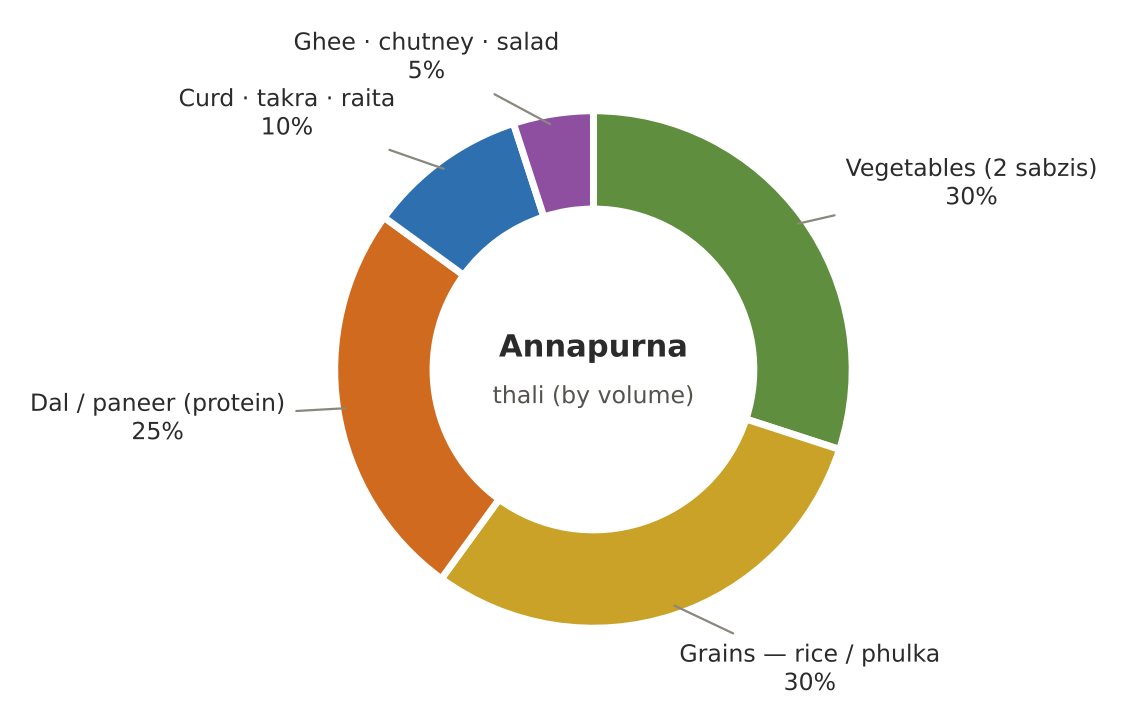
Figure 2. Plate model for lunch — by volume
| Item | Standard 55+ portion | Small-appetite portion |
|---|---|---|
| Cooked rice / khichdi | 150 g (1 heaped katori) | 100 g |
| Phulka | 2 (≈60 g atta) | 1–2 |
| Dal / kadhi / sambar | 180 ml (1 katori) | 150 ml |
| Sabzi (each) | 120 – 150 g | 100 g |
| Curd / raita | 100 g (lunch only) | 75 g |
| Soup (dinner) | 250 ml | 200 ml |
| Sweet | 40 – 100 g | ≈ half |
| Fruit | 100 – 150 g | 100 g, stewed if raw is unsuitable |
| Ghee (whole day) | 10 – 15 g | 5 – 10 g |
Does the menu meet the targets? A model day, month by month
For each month we added one serving of each of that month's six featured recipes to the daily staples (50 g raw rice, 60 g atta as two phulkas, 100 g curd and the bedtime golden milk). The result is an estimate of what a guest eating the full menu receives.
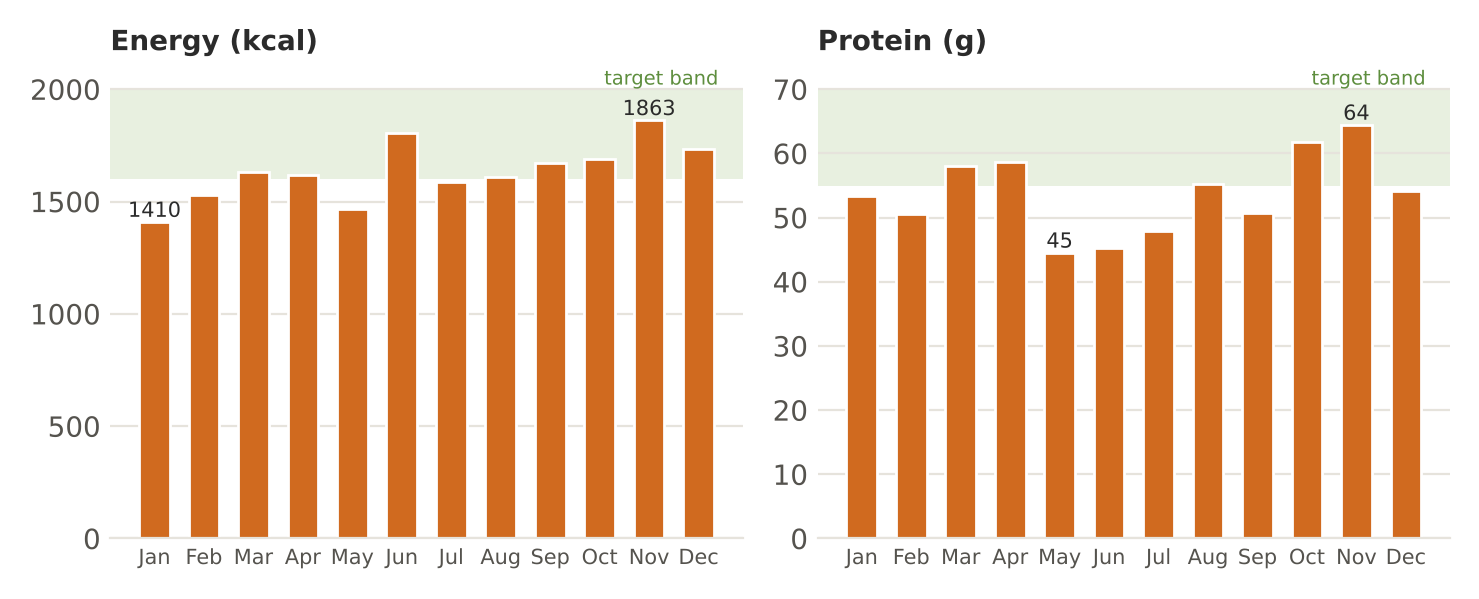
Figure 3. Estimated model-day energy and protein; green band = target range
What the model day tells the kitchen
|