3. Ayurvedic Principles for the Later Years
In Ayurveda, life is divided into three stages: childhood (Kapha), adulthood (Pitta) and the later years (Vata). The source Kerala plan summarises the right diet for this Vata stage in four qualities — and they are the backbone of this book.
| Quality | Meaning | In the Annapurna kitchen |
|---|---|---|
| Ushna — warm | Warm in temperature and in action | Every dish served warm; drinks at room temperature; ginger, cumin, pepper used gently |
| Snigdha — unctuous | Moist, oily enough to counter dryness | 2–3 tsp ghee daily; sesame, coconut milk, nuts in measured amounts |
| Brimhana — grounding | Nourishing, building tissue | Root vegetables, rice, wheat, milk, paneer, dates, moong |
| Laghu-pachaka — easy to digest | Light enough for weak agni | Khichdi, kanji, yusha, steamed dishes; legumes always paired with hing & ginger |
The six seasons at Haridwar
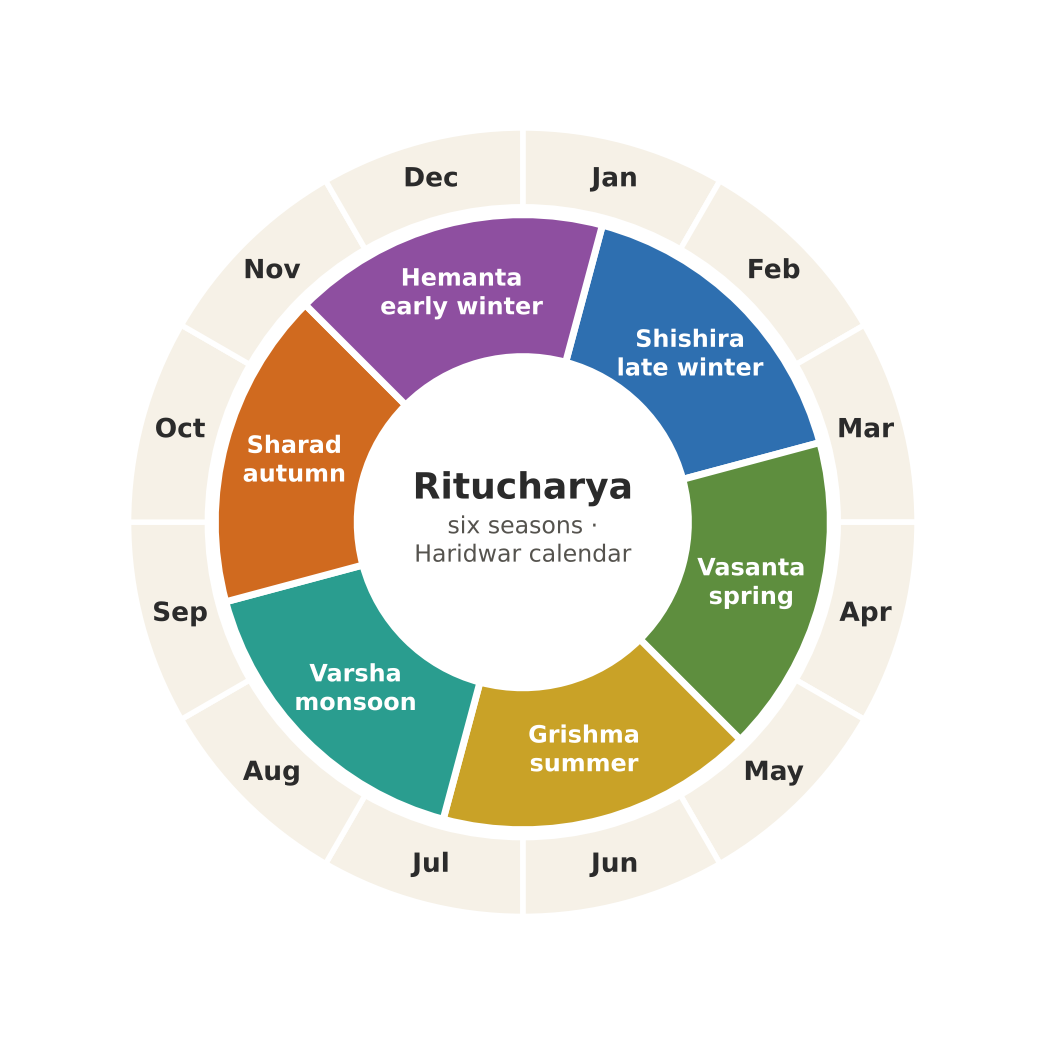
Figure 4. The ritucharya calendar used in this book (seasons begin around mid-month)
How each dosha moves through the year
Ayurveda teaches that each dosha first accumulates, then becomes aggravated, then subsides. Menus anticipate this: for example, Kapha accumulates in late winter, so March menus turn light and bitter before spring congestion peaks.
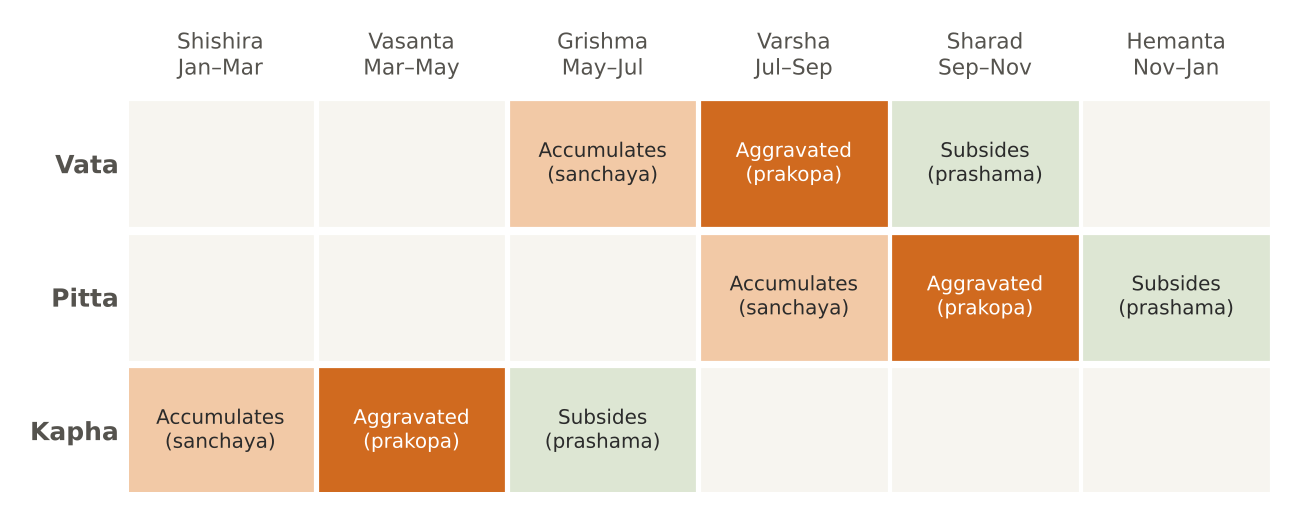
Figure 5. Seasonal cycle of the doshas (classical sanchaya–prakopa–prashama)
Agni through the day
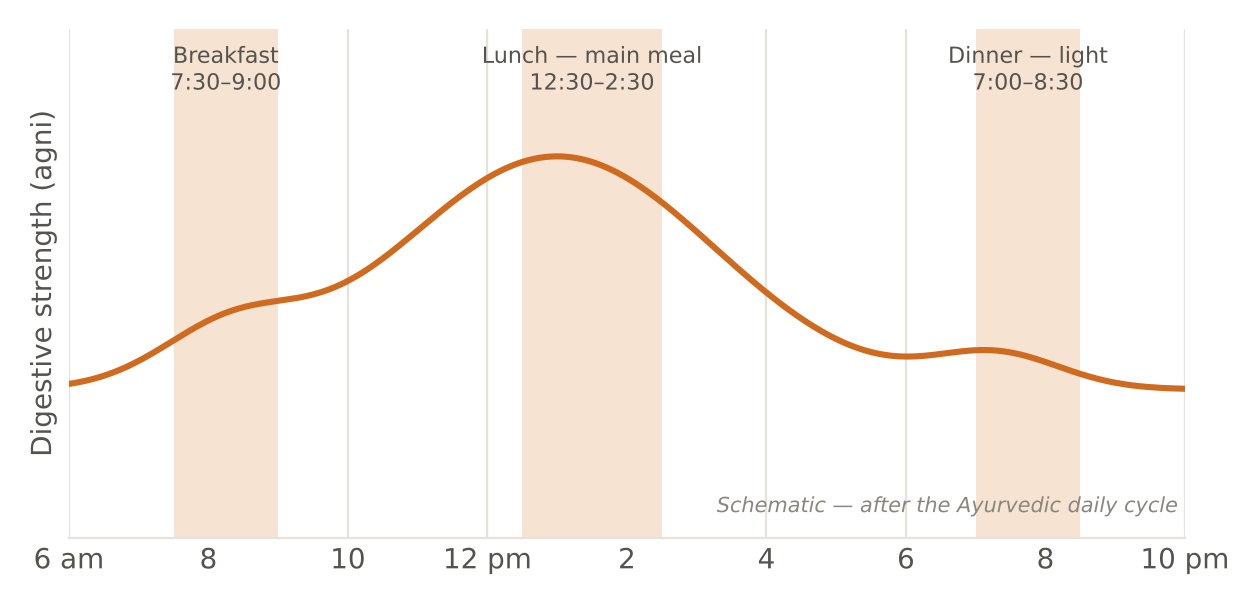
Figure 6. Why lunch is the main meal and dinner stays light
Key Vata dietary rules (from the source Kerala plan)
|
Combinations the kitchen avoids
-
Curd at night, curd heated, or curd with fruit; milk with sour fruit or salt-heavy dishes.
-
Honey heated or cooked — honey is always added to warm (not hot) drinks.
-
Equal quantities of ghee and honey together.
-
Very cold drinks with or after meals; fruit (other than stewed) at the end of a heavy meal.