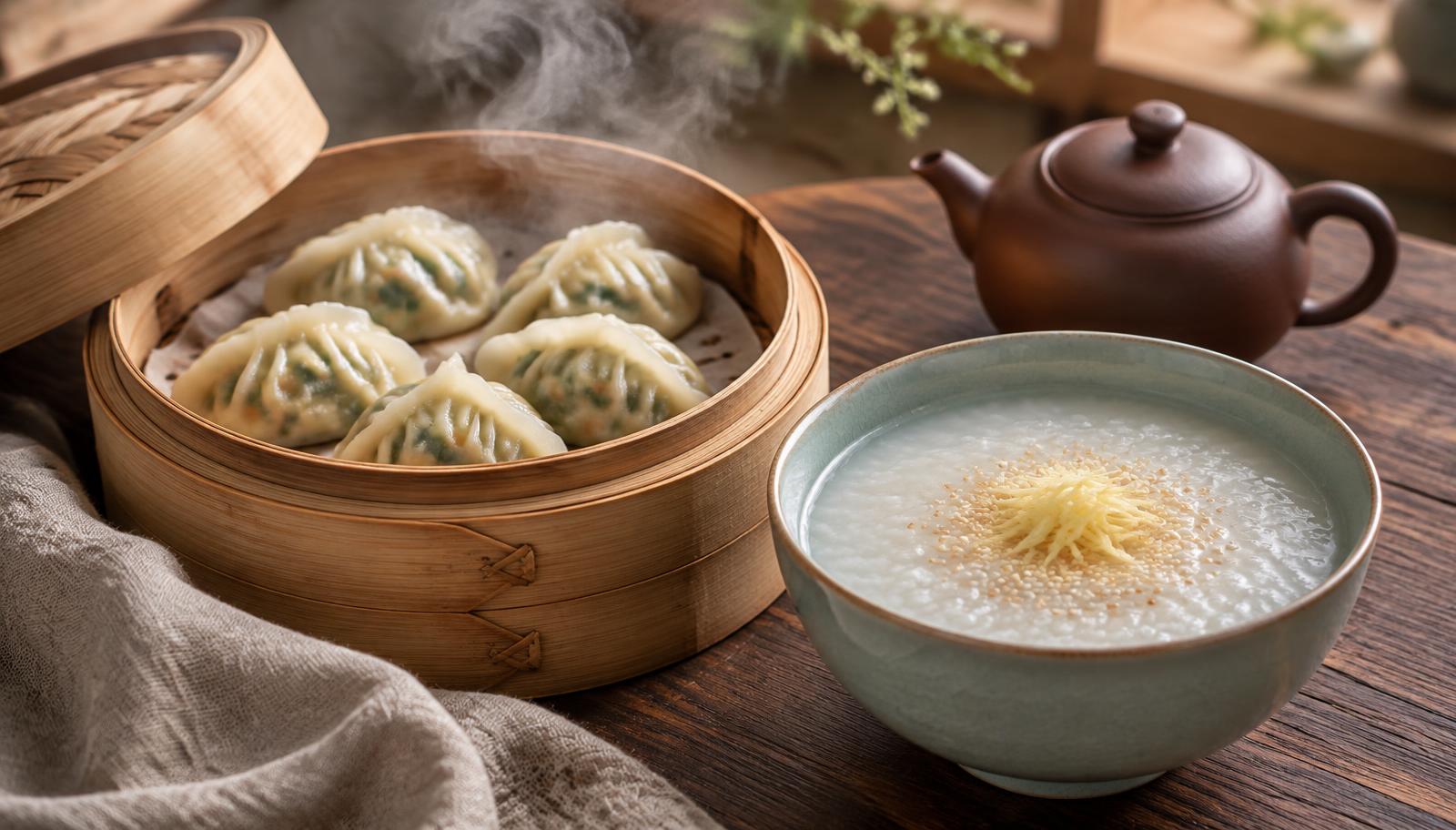
The greatest health risk in East Asian cooking is not any single food but the cumulative salt from soy sauce, miso, pickles, broths and condiments. High salt intake raises blood pressure and the risk of stroke, heart disease and kidney disease; the World Health Organization recommends that adults eat no more than 5 g of salt a day [12]. A single tablespoon of regular soy sauce contains about half of that.
Seaweed and iodine#
Seaweeds are rich in minerals, but some are extremely high in iodine (especially kombu) and one — hijiki — contains high levels of inorganic arsenic; food-safety authorities advise against eating hijiki [13]. This book uses kombu for making stock (most is discarded), and nori and wakame in small amounts. People with thyroid conditions should ask their doctor about seaweed intake.
Medicines and East Asian foods#
| Food | Possible interaction | What to do |
|---|---|---|
| Natto (fermented soybeans) | Very high vitamin K2 — counteracts warfarin | Avoid if taking warfarin [14] |
| Leafy greens (bok choy, spinach, gai lan) | Vitamin K | Keep intake steady if on warfarin, do not avoid |
| Goji berries, dong quai, ginseng | Reported interactions with warfarin | Ask your doctor before regular use |
| Green tea, matcha | Caffeine; vitamin K in large amounts | Morning only; 1–2 cups |
| Grapefruit, pomelo | Interferes with many medicines (statins, some calcium-channel blockers) | Check your medicine leaflet |
| Licorice root (in some Chinese tonics) | Raises blood pressure, lowers potassium | Avoid in tonic doses if hypertensive |
| Soy sauce, miso | Sodium; potassium in reduced-salt salts | Watch with heart failure, kidney disease |